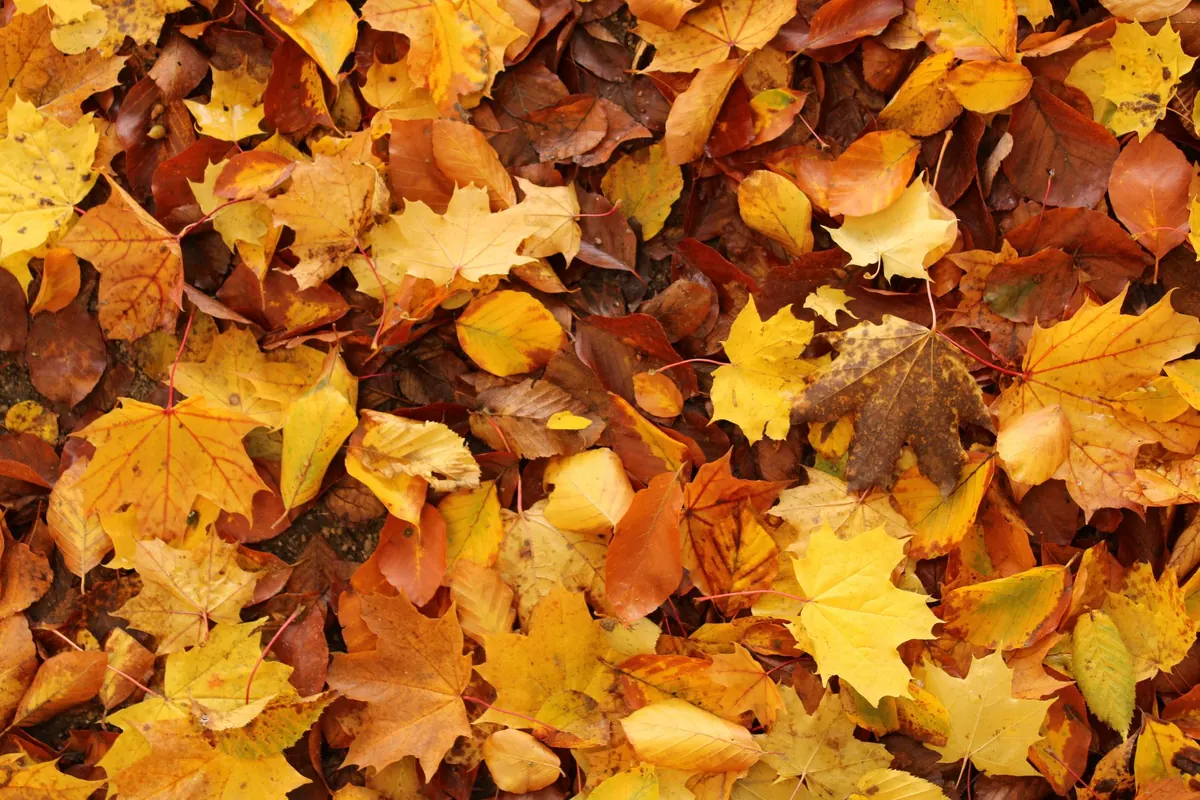
By mid-October, the garden has changed its mood. Growth slows, the light drops, and the jobs that felt optional in August suddenly carry weight. Put in a few solid weekends now and you will spend far less time repairing winter damage in spring — and a good deal more time enjoying what comes up. Here is a realistic checklist for UK gardens, roughly in order of urgency.
Give the lawn one last proper go
The final cut of the year matters more than most people think. Mow on a dry day and raise the blades gradually over your last few cuts so you finish at around 4cm. Long enough to protect the crown, short enough that the grass does not lie flat and mat under weeks of rain.
While the grass is still growing, deal with the thatch. Scarify with a spring-tined rake or a machine if the lawn is large, working in two directions, then aerate by pushing a garden fork in to about 15cm and rocking it back and forth every few inches. Brush a sandy top dressing into the holes. An autumn lawn feed low in nitrogen and higher in potassium and phosphorus will harden the grass for winter without pushing soft growth. If you have bare patches, overseed now while the soil is still warm. And keep off the grass on frosty mornings — footprints bruise the blades and leave black marks that linger until spring.
Prune with purpose, and know when to stop
Autumn pruning is not one job but several, and getting it wrong costs you flowers next year.
Good candidates for autumn
- Dead, damaged or diseased wood — remove it any time you see it.
- Summer-flowering shrubs such as buddleja, which respond well to a tidy up now.
- Roses given a light trim to stop long stems whipping about in gales.
- Hedges that need one final cut before growth stops.
Leave these until spring or summer
Spring-flowering shrubs — forsythia, lilac, philadelphus — carry their buds through winter, so cutting them now removes next year's display. Anything tender, such as fuchsia or penstemon, is better left untouched until spring; the old growth shelters the crown. Cherries and plums should wait until summer, as pruning them in damp weather risks silver leaf infection.
Work with sharp, clean secateurs and make cuts just above an outward-facing bud. Never take more than a quarter of the plant in one go.
Plant bulbs for a spring that pays you back
Bulbs are the best value in the whole garden. Daffodils and narcissi like to go in early, from September onwards, so they can root before the cold bites. Tulips are the exception — plant them in November, as an early start can encourage them to sprout prematurely.
As a rule, plant each bulb at roughly three times its own height. Set them in generously, in groups rather than neat rows, and add a handful of grit to the base of the hole if your soil is heavy clay. In pots, layer them: large daffodils at the bottom, tulips in the middle, small iris or crocus on top, then top off with compost. Water them in and label the spot — you will not remember where they are in February.
If squirrels dig them up, lay a piece of chicken wire over the soil and weight it down with stones. It looks scruffy for a fortnight and saves an entire spring's worth of bulbs.
Clear leaves, then put them to work
Leaves left in a thick layer smother lawn and low plants, so clear them regularly rather than saving the job for one grim afternoon in December. Pay particular attention to gutters, drains and the area around a pond, where rotting vegetation harms water quality.
Do not treat them as waste. Rake them into a bin bag or a wire cage, punch a few holes for air, and leave it behind the shed for a year. The result is leaf mould — crumbly, dark and excellent for mulching borders or mixing into potting compost. It is free, it improves soil structure, and it costs nothing but patience.
Once the beds are clear, spread a mulch of well-rotted manure or garden compost over bare soil. Worms will pull it down over winter, feeding the soil and suppressing weeds in one move.
Protect, tidy and store properly
This is the section most people skip, and it is the one that saves money. Clean soil off spades and forks, dry them thoroughly, then wipe metal surfaces with an oily rag. Sharpen secateurs and shears, and oil the pivot. Drain hosepipes, coil them loosely and store them somewhere frost-free, along with watering cans and sprayers.
Outside, move terracotta pots under cover or raise them onto feet so they drain freely. Standing water that freezes inside a pot can crack it. Insulate outdoor taps, lag exposed pipes, and check tree ties are not cutting into bark. Clean greenhouse glass so winter light gets through, and ventilate on mild days to keep damp and mould at bay.
Small jobs that quietly matter
- Empty and store canes, supports and plant pots so they do not fill with water.
- Turn the compost heap and cover it to stop it getting waterlogged.
- Leave seedheads on teasels, echinacea and sedum for the birds, and cut perennials back in spring instead.
- Keep a shallow dish of water out for wildlife, and check it has not frozen.
- Check stored produce and dahlia tubers for rot, and remove anything soft.
- Order bare-root roses and fruit trees for planting from November onwards.
A sensible way to work through it
Do not try to do all of this in one weekend. Spend a dry Saturday on the lawn and leaves, another on pruning and bulbs, and keep the tool cleaning for a wet afternoon when nothing else is possible. If something gets missed, the garden will forgive you — most of these jobs simply make next year easier rather than rescuing this one.
Write your own list on a chalkboard in the shed, tick things off as you go, and stop when the light goes. A garden put to bed properly in autumn is a garden you will want to walk round in March.
Photo: Sora / Pexels